Asian Food Anyone?
Southeast and East Asian cuisines are world-renowned for their sophisticated play on the palate. But beyond the delicious complexity of Asian Food lies a nutritional wisdom that has kept these populations remarkably healthy for centuries.
FOOD
Randy Landis
2/16/20262 min read
Asian Food Anyone?
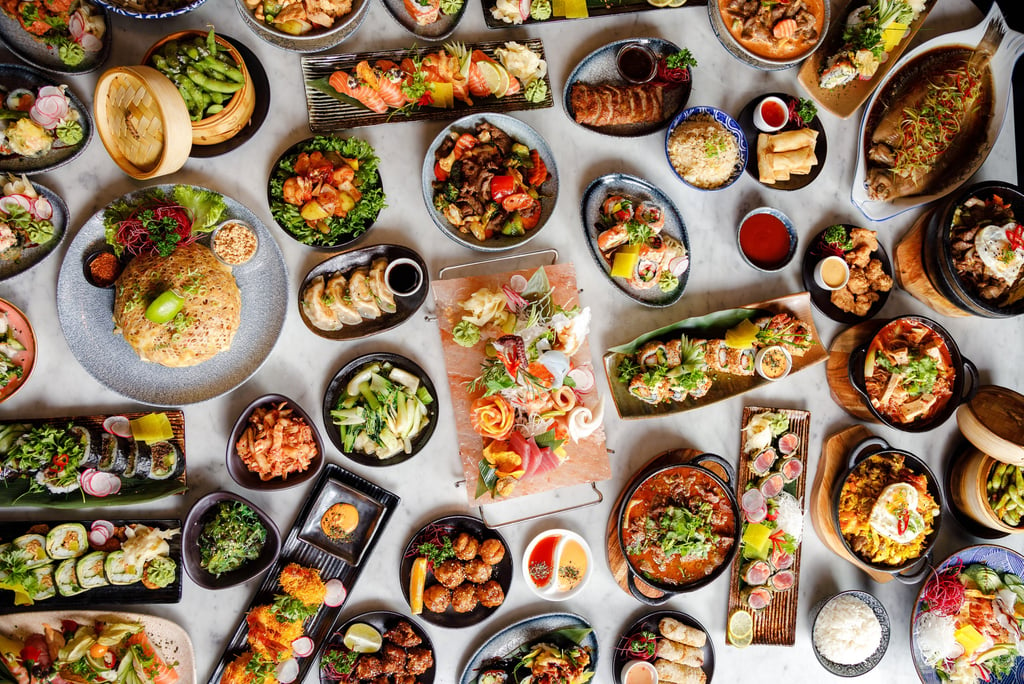
If you’ve ever sat down to a vibrant Thai curry, a steaming bowl of Vietnamese pho, or a spread of Korean banchan, you know that the first bite is often a revelation. It’s not just "good"—it’s alive.
Southeast and East Asian cuisines are world-renowned for their sophisticated play on the palate. But beyond the delicious complexity lies a nutritional wisdom that has kept these populations remarkably healthy for centuries.
Asian Cuisine - A Masterclass in Flavor and Health
The Big Four: A Symphony of Taste
The secret sauce (sometimes literally) of Asian cooking is the pursuit of balance. While many Western dishes focus on a single dominant profile—like "savory" or "sweet"—Asian traditions aim to hit the four primary pillars of taste simultaneously:
Sweet: Often derived from palm sugar, coconut milk, or mirin, providing a mellow base.
Sour: Brought to life by lime juice, tamarind, or vinegar to cut through richness.
Salty: Anchored by fermented staples like fish sauce, soy sauce, or miso.
Spicy: Driven by fresh chilies, ginger, or peppercorns to provide heat and depth.
When these four elements collide, they create a "flavor harmony" that makes the meal incredibly satisfying. Because the palate is being stimulated from all angles, you often feel "full" and satisfied faster, reducing the urge to overeat.
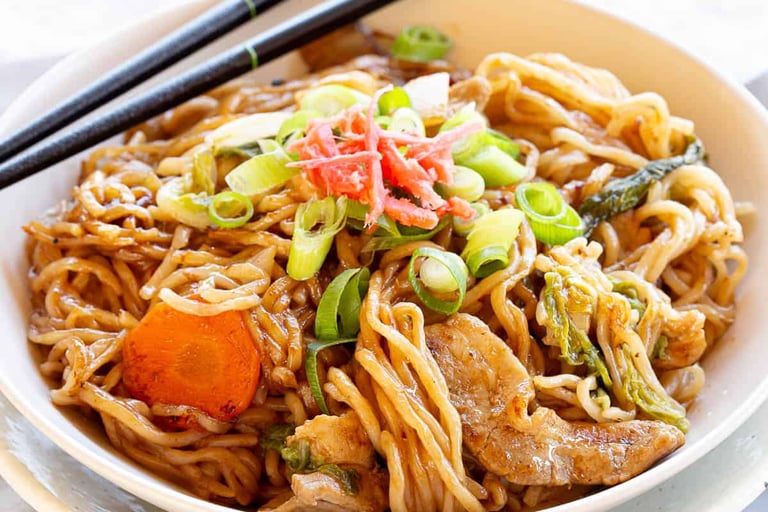
I have a hard time passing up some traditional Yakisoba!
Why the Traditional Asian Diet Wins for Longevity
It’s no coincidence that many regions in East and Southeast Asia historically report lower rates of obesity and cardiovascular disease than Western nations. The "secret" isn't a fad; it’s the structural composition of the daily plate.
Feature The Health Benefit
Vegetable-Centric Dishes are built around greens and fiber, with meat acting as a garnish rather than the main event.
Fermentation Staples like kimchi, kombucha, and natto provide powerful probiotics for gut health.
Healthy Fats A focus on omega-3s from seafood and healthy fats from nuts and seeds rather than heavy dairy.
Steam & Stir-fry Cooking methods involve quick heat or water, preserving the nutrient density of the ingredients.
From Tradition to Modern Table
In a world of ultra-processed snacks, there is much to learn from these culinary traditions. By prioritizing fresh aromatics—like lemongrass, galangal, and garlic—over heavy creams and processed sugars, we can create meals that are as kind to our hearts as they are exciting to our taste buds.
Whether it’s a simple Japanese miso soup or a complex Malaysian laksa, the lesson is clear: Balance isn't just a culinary goal; it’s a blueprint for a healthier life.
What About Filipino Food?
I've learned to enjoy most all the food in this part of the world however, but when it comes to Filipino Food, that is worthy of an entire post all it's own - Read about Filipino Food here.