
Cost of Living in the Philippines is on the Rise
Due to continued rising inflation, the value of the Philippine Peso continues to soften, leading to weaker purchasing power. Expats can expect a higher cost of living of living in the Philippines in the near future.
FEATUREDNEWS
6/1/20261 min read
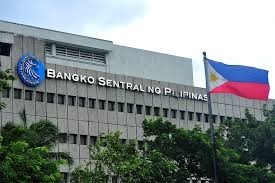
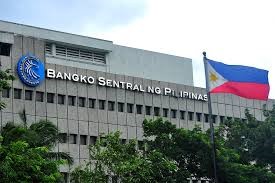
MANILA — Philippine inflation was likely to fall within the range of 7.1% to 7.9% range in May, the central bank said on Saturday (5/31/26). This up sharply from 4.1% in April. The central bank said “upside price pressures were driven by rising prices for rice, vegetables and meat, as well as the depreciation of the peso”. The Philippines’ statistics agency will release updated inflation data on June 5.
High inflation in the Philippines, which recently surged to a multi-year peak of 7.2%, is significantly eroding expats' purchasing power. The rising cost of living is most visibly affecting expats in the following ways:
Escalating Grocery and Dining Bills: Food and non-alcoholic beverages have seen a sharp increase, particularly basic staples like rice and seafood. Expats relying on imported Western goods or frequent dining out are facing notably higher monthly food budgets.
Soaring Utilities and Housing: Housing, water, and electricity costs have jumped. Expats in upscale areas like Bonifacio Global City (BGC) or Makati—where rent can average $500 to $1,000 usd per month—are seeing their leases adjusted higher, squeezing retirement or fixed incomes.
Spiking Transportation Costs: Transport inflation has spiked due to fluctuating global fuel prices, making car ownership, ride-sharing services like Grab, and inter-island travel much more expensive.
Lifestyle Adjustments: While the archipelago generally remains highly affordable compared to the US, UK, or Australia, the disconnect between local currencies and the Philippine Peso (PHP) is tightening budgets. Many expats are forced to cut back on luxury services and adopt more local spending habits.
The bigger picture:
Inflation and monetary tightening often precede currency weakness, as seen by the continued fall of the Peso's value. Expats should stress-test their budgets now, lock in longer-term peso fixed deposits if rates spike, and ensure their visa and or work permit arrangements are solid before economic headwinds deepen.